



Introduction
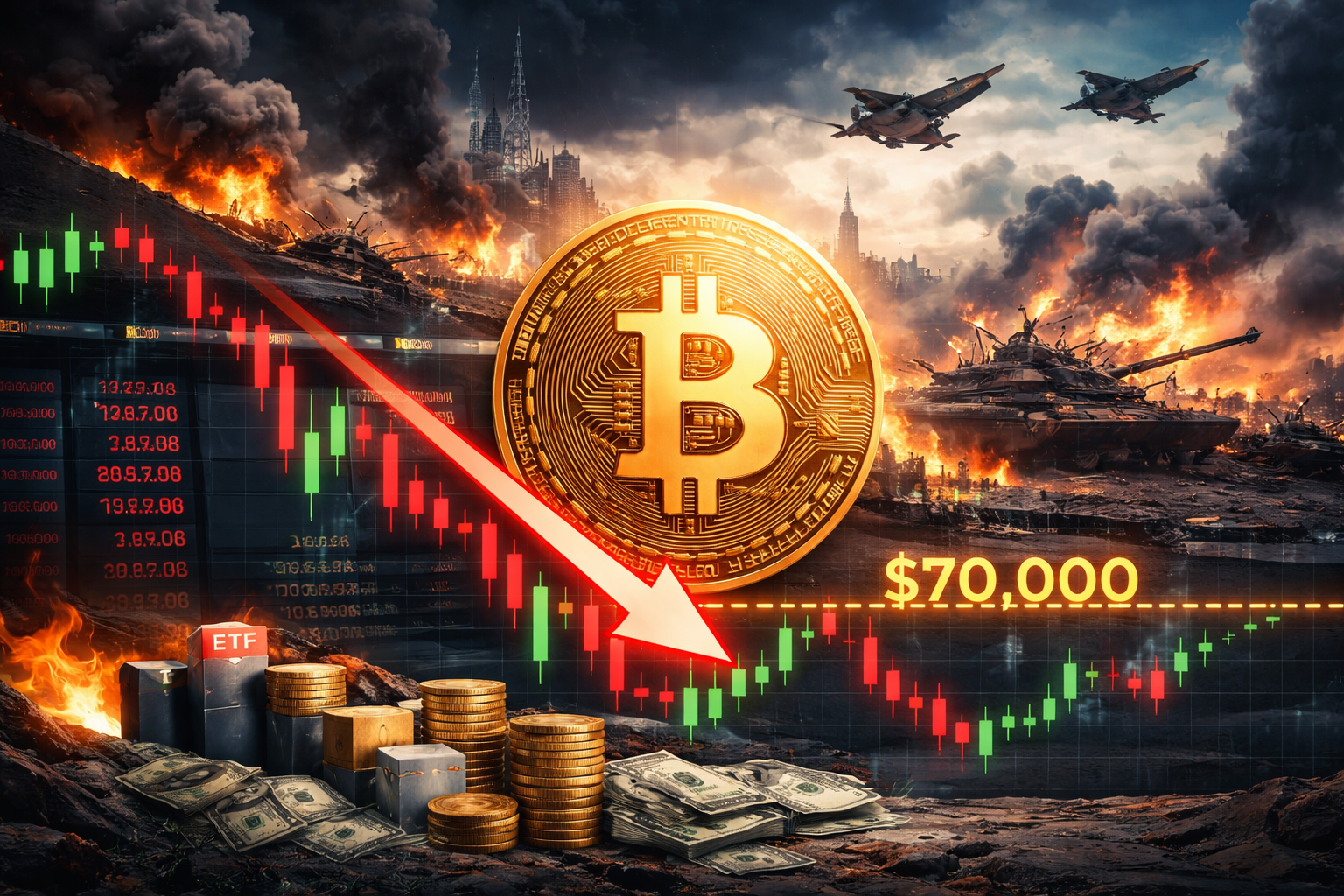
Bitcoin, the world’s leading cryptocurrency, is currently experiencing a phase of consolidation around the 71000 level, reflecting a balance between short term uncertainty and long term optimism. Despite facing resistance near recent highs, the digital asset continues to show resilience in the face of global economic pressures and shifting investor sentiment. A key highlight in the current market scenario is the strong accumulation by retail investors, who have collectively added millions of Bitcoin within a short span of time. This surge in buying activity underscores a growing belief in the long term potential of Bitcoin as a store of value rather than merely a speculative asset.
Current Price Movement And Market Behavior
Bitcoin has been trading close to the 71000 mark after experiencing a slight pullback from recent highs. The cryptocurrency had earlier attempted to move beyond the 73000 level but failed to sustain momentum, resulting in a mild decline. This indicates that while bullish sentiment remains present, buyers are becoming more selective and cautious at higher price levels.
Such consolidation phases are a natural part of any market cycle. They allow the asset to stabilize and build a stronger base before attempting another upward move. In the case of Bitcoin, this phase suggests that the market is absorbing recent gains and preparing for potential future growth.
At the broader level, the overall cryptocurrency market has also shown signs of softness, with a slight decline in total market value. This indicates that the current trend is not isolated to Bitcoin but reflects a wider cooling across digital assets. However, Bitcoin’s relative stability compared to other cryptocurrencies highlights its dominant position and perceived reliability among investors.
Retail Investors Driving The Market
One of the most significant developments in the current market environment is the aggressive accumulation by retail investors. Millions of Bitcoin have been acquired by smaller investors in a short period, demonstrating strong confidence in the asset’s future prospects. This behavior reflects a shift in mindset, where investors are increasingly focused on long term value rather than short term gains.
Retail investors play a crucial role in supporting the market during periods of uncertainty. When prices decline or remain stagnant, their consistent buying activity creates a foundation that prevents sharp drops. This pattern is evident in the current scenario, where accumulation is helping Bitcoin maintain its position despite external pressures.
The growing participation of retail investors also indicates increased awareness and adoption of cryptocurrencies. As more individuals gain access to digital assets and understand their potential, the market becomes more resilient and less dependent on a small group of large investors. This democratization of investment is a key factor in Bitcoin’s long term growth story.
Impact Of Macroeconomic Factors
Bitcoin’s price movements are closely linked to the broader economic environment. Factors such as interest rates, inflation, and economic growth play a significant role in shaping investor behavior. In recent times, uncertainty surrounding global economic conditions has influenced the cryptocurrency market, leading to cautious trading patterns.
When interest rates are high, investors often prefer traditional financial instruments that offer stable returns. This can reduce demand for riskier assets like cryptocurrencies. Similarly, concerns about inflation and economic slowdown can impact overall market sentiment, leading to reduced investment activity.
Despite these challenges, Bitcoin continues to attract attention due to its unique characteristics. Its decentralized nature and limited supply make it an appealing option for those looking to hedge against economic instability. As global financial systems evolve, these attributes could become increasingly important, supporting long term demand for Bitcoin.
Performance Of Altcoins And Market Dynamics
While Bitcoin has managed to hold relatively steady, many other cryptocurrencies have experienced declines. Major altcoins have shown weakness, reflecting a broader risk off sentiment in the market. During such periods, investors often move their funds into Bitcoin, which is considered a safer option within the crypto space.
This shift highlights Bitcoin’s dominance and its role as the primary driver of market sentiment. When uncertainty rises, Bitcoin tends to outperform smaller cryptocurrencies, reinforcing its position as the foundation of the digital asset ecosystem.
At the same time, there are occasional pockets of strength among smaller tokens, indicating that opportunities still exist for selective investments. However, the overall trend suggests that investors are prioritizing stability and reducing exposure to high risk assets.
Institutional Signals And Mixed Sentiment
Institutional participation in the cryptocurrency market remains mixed. While there is continued interest in Bitcoin from large investors, the level of activity has been inconsistent. Some investment products have seen inflows, while others have experienced outflows, reflecting uncertainty among institutional players.
Institutions often take a more cautious approach compared to retail investors, as their decisions are influenced by a wide range of factors including regulatory developments, market conditions, and risk management considerations. Their current hesitation suggests that they are waiting for clearer signals before making significant commitments.
Despite this cautious stance, the long term outlook remains positive. The growing availability of regulated investment options has made it easier for institutions to enter the market. As confidence improves and uncertainties are resolved, institutional participation is expected to increase, providing additional support for Bitcoin’s growth.
On Chain Trends And Market Structure
On-chain data reveals important insights into the behavior of Bitcoin investors. A significant portion of Bitcoin is being held in long term wallets, indicating strong conviction among holders. This trend reduces the supply of Bitcoin available for trading, which can have a positive impact on prices over time.
When investors choose to hold rather than sell, it creates a supply constraint that can amplify the effects of increased demand. This dynamic is particularly important in the case of Bitcoin, which has a fixed supply. As more coins are locked away in long term storage, the available supply decreases, potentially leading to higher prices in the future.
The shift towards self custody also reflects a growing awareness of security and control. Investors are increasingly taking responsibility for their assets, reducing reliance on exchanges and enhancing the overall stability of the network.
Volatility And Market Risks
Despite its strengths, Bitcoin remains a volatile asset. Price fluctuations can occur rapidly, driven by a variety of factors including economic data, geopolitical events, and changes in investor sentiment. This volatility is a defining characteristic of the cryptocurrency market and presents both opportunities and risks for investors.
Sudden price movements can be influenced by external events such as policy changes or global conflicts. Additionally, the presence of leveraged trading can amplify these movements, leading to sharp increases or declines in a short period.
Investors must be prepared for such volatility and adopt strategies that align with their risk tolerance. While the potential for high returns is attractive, it is important to recognize the inherent risks associated with investing in cryptocurrencies.
Long Term Outlook For Bitcoin
Looking ahead, the long term outlook for Bitcoin remains optimistic. The continued accumulation by retail investors, combined with gradual institutional adoption, suggests that the asset is evolving into a mainstream financial instrument.
Bitcoin’s limited supply and decentralized structure make it a unique asset in the global financial system. As concerns about inflation and currency stability persist, these features are likely to drive increased demand.
Technological advancements and regulatory clarity will also play a crucial role in shaping the future of Bitcoin. Improved infrastructure, enhanced security measures, and supportive policies could further strengthen the market and attract new participants.
Conclusion
Bitcoin’s current position near the 71000 level reflects a complex interplay of market forces. While short term challenges remain, the strong accumulation by retail investors and the underlying strength of the network provide a solid foundation for future growth.
The market is currently in a phase of consolidation, where caution and optimism coexist. This period is essential for building stability and preparing for the next phase of expansion. As the cryptocurrency landscape continues to evolve, Bitcoin remains at the forefront, driven by innovation, adoption, and a growing belief in its long term value.