
Trump Administration News April 2026: A Defining Phase In Global And Domestic Affairs
Introduction
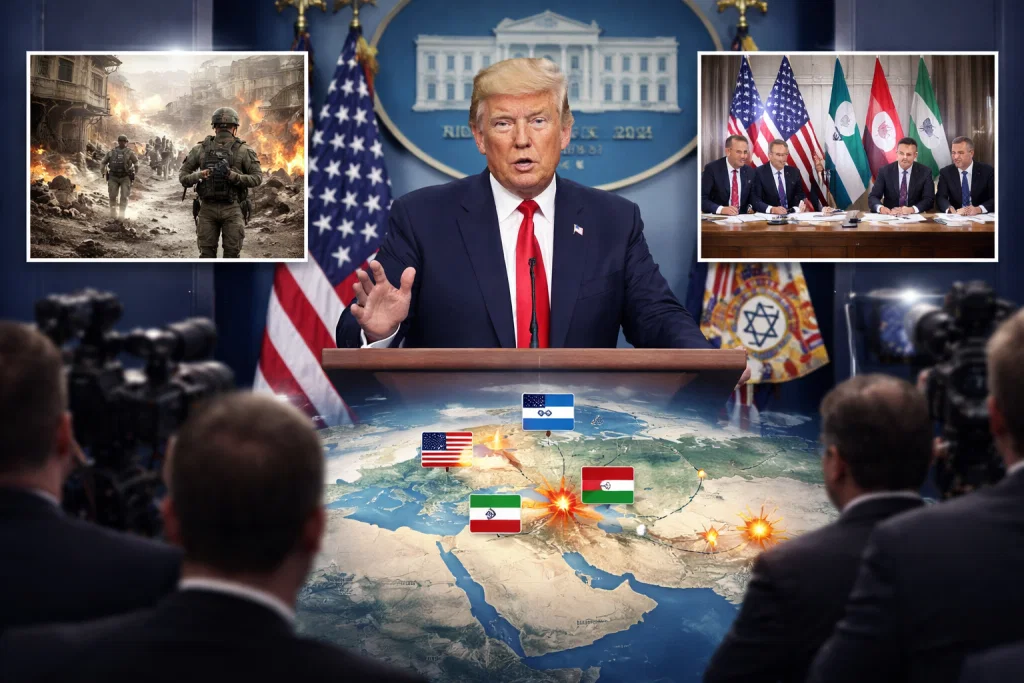
The political and geopolitical developments surrounding the Trump administration in April 2026 reveal a period of intense transformation marked by shifting alliances, evolving strategies, and mounting global tensions. The administration finds itself at the center of a complex web of international diplomacy and domestic policymaking, where decisions carry far reaching consequences not only for the United States but for the global order as a whole. At the heart of current events lies a fragile ceasefire in the Middle East, a recalibration of foreign policy priorities, and a series of domestic political challenges that continue to shape the administration’s trajectory.
Middle East Ceasefire And Strategic Mediation
One of the most significant developments in recent days is the announcement of a temporary ceasefire between Israel and Lebanon following a period of intense conflict. The ceasefire, brokered with the involvement of the United States, represents an effort to stabilize a region that has experienced significant destruction and loss of life. The administration has taken a central role in facilitating dialogue, positioning itself as a key mediator in the conflict.
Despite this progress, the ceasefire remains fragile. Reports of sporadic violence and underlying tensions suggest that the situation could deteriorate at any moment. The administration has called for restraint from all parties involved, emphasizing the importance of maintaining peace while also preparing for the possibility of renewed hostilities. This delicate balance highlights the challenges of conflict resolution in a region marked by deep rooted political and ideological divisions.
The broader regional context further complicates the situation. The involvement of non-state actors and the influence of neighboring countries contribute to an environment where peace agreements are difficult to sustain. As a result, the ceasefire is seen not as a final resolution but as a temporary pause that provides an opportunity for further diplomatic engagement.
Escalating Tensions With Iran
While efforts to maintain peace in one part of the Middle East are underway, tensions between the United States and Iran continue to escalate. The administration has adopted a firm stance, emphasizing military readiness and strategic deterrence. This approach reflects a broader effort to counter perceived threats while maintaining leverage in ongoing negotiations.
The situation is further intensified by concerns over key strategic regions, particularly those critical to global energy supply. The potential for disruption in these areas has significant implications for international markets, making the situation not only a political issue but also an economic one. The administration’s warnings and actions indicate a readiness to respond decisively if provoked, underscoring the high stakes involved.
Critics argue that this approach increases the risk of escalation and could lead to a broader conflict. Supporters, however, contend that a strong stance is necessary to maintain stability and protect national interests. This debate reflects broader divisions within the United States and among its allies regarding the most effective way to manage relations with Iran.
Trade Over Aid Redefining Foreign Policy
A key feature of the current administration’s strategy is its emphasis on replacing traditional foreign aid with trade based partnerships. This “trade over aid” approach represents a significant shift in how the United States engages with the rest of the world. The underlying idea is to promote economic self sufficiency and long term growth through investment and commerce rather than direct financial assistance.
Proponents of this strategy argue that it encourages accountability and fosters sustainable development. By focusing on trade and investment, countries are expected to build stronger economies and reduce their reliance on external support. This approach aligns with a broader emphasis on economic pragmatism and national interest.
However, the policy has generated considerable debate. Critics warn that reducing aid could have serious humanitarian consequences, particularly in regions where assistance is essential for survival. Issues such as healthcare, food security, and disaster response are heavily dependent on aid, and any reduction could exacerbate existing challenges.
This shift also signals a move away from multilateral frameworks toward more bilateral and transactional relationships. While this may create new opportunities for economic cooperation, it also raises questions about the future of global institutions and collective efforts to address shared challenges.
Domestic Political Landscape And Policy Debates
Within the United States, the administration continues to navigate a complex political environment marked by intense debates and competing priorities. Immigration policy remains a focal point, with recent measures reflecting a combination of enforcement and selective relief. These actions highlight the difficulty of balancing humanitarian concerns with political and legal considerations.
Healthcare policy is another area of significant attention. Discussions surrounding public health programs, funding, and leadership appointments have sparked widespread debate. These issues are particularly important given the ongoing need to address both immediate health concerns and long term systemic challenges.
In addition to policy debates, the administration faces ongoing scrutiny over governance and accountability. Congressional hearings, legal challenges, and public criticism contribute to a dynamic and often contentious political atmosphere. These factors not only influence policymaking but also shape public perception and trust in government institutions.
Economic Implications And Market Reactions
The intersection of geopolitical developments and domestic policies has profound economic implications. Global markets are closely monitoring the situation in the Middle East, particularly with regard to energy supply and trade routes. Any disruption in these areas has the potential to affect prices and economic stability worldwide.
The administration’s focus on trade as a central component of foreign policy also plays a significant role in shaping economic outcomes. By prioritizing bilateral agreements and investment opportunities, the United States is seeking to strengthen its economic position while encouraging growth in partner countries. This approach, however, introduces a degree of uncertainty, particularly for nations that have traditionally relied on aid.
Domestically, economic policy decisions continue to influence public opinion and political dynamics. Issues such as government spending, taxation, and resource allocation are central to ongoing debates about the direction of the economy. These discussions reflect broader concerns about inequality, growth, and fiscal responsibility.
Symbolic Initiatives And National Identity
In addition to policy and governance, the administration has pursued symbolic initiatives aimed at reinforcing national identity and legacy. Proposals for large scale projects in the nation’s capital reflect an effort to create lasting representations of national achievements and values.
Supporters view these initiatives as expressions of pride and unity, while critics question their relevance in the face of more pressing challenges. The debate over such projects highlights broader differences in how national priorities are defined and communicated. It also underscores the role of symbolism in shaping public perception and political narratives.
Global Reactions And Diplomatic Dynamics
The international response to the administration’s actions has been varied. Some countries have expressed support for efforts to mediate conflicts and promote economic partnerships, while others have raised concerns about the implications of certain policies. Differences in perspective reflect the diverse interests and priorities of the global community.
Relations with traditional allies have experienced moments of tension, particularly in areas related to defense and strategic coordination. At the same time, new partnerships and opportunities for collaboration are emerging, driven by shared economic interests. This evolving landscape highlights the challenges and opportunities of modern diplomacy.
The administration’s approach has also sparked broader discussions about the role of the United States in global affairs. Questions about leadership, responsibility, and cooperation are central to these debates, influencing how policies are perceived and evaluated.
Conclusion
The developments of April 2026 illustrate the complexity of governance in an interconnected and rapidly changing world. The Trump administration’s actions reflect a combination of strategic ambition, ideological shifts, and practical challenges. From the fragile ceasefire in the Middle East to the redefinition of foreign policy and the dynamics of domestic politics, each element contributes to a broader narrative of transformation.
As the situation continues to evolve, the outcomes of these decisions will have lasting implications. The balance between conflict and cooperation, economic growth and humanitarian responsibility, and national interest and global engagement will shape the future of international relations. In this context, the events of today serve as both a reflection of current realities and a preview of the challenges and opportunities that lie ahead.